
For high-temperature adhesives operating continuously above 150°C, differences in thermal expansion between seals and the pump housing are the main causes of leakage and seizing.

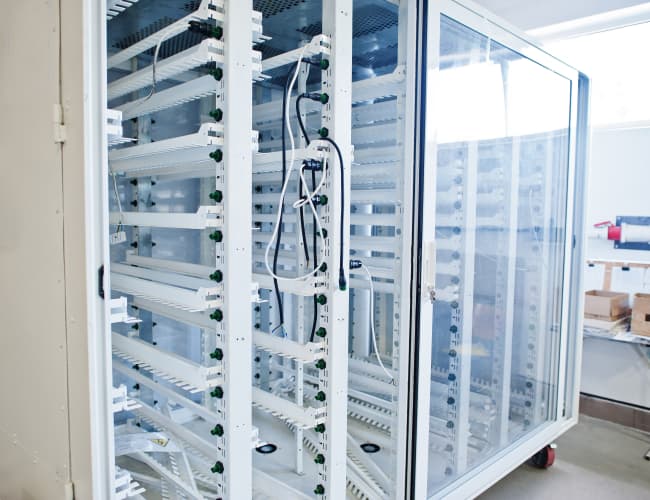
For high-temperature adhesives operating continuously above 150°C, differences in thermal expansion between seals and the pump housing are the main causes of leakage and seizing.
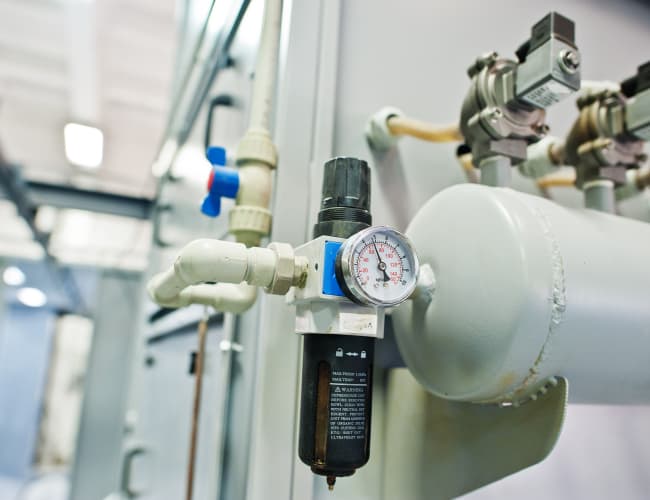
Linearity in low-flow ranges is sensitive to fluid viscosity; calibrating each unit individually and providing piecewise correction factors is more reliable than using a single-point coefficient.
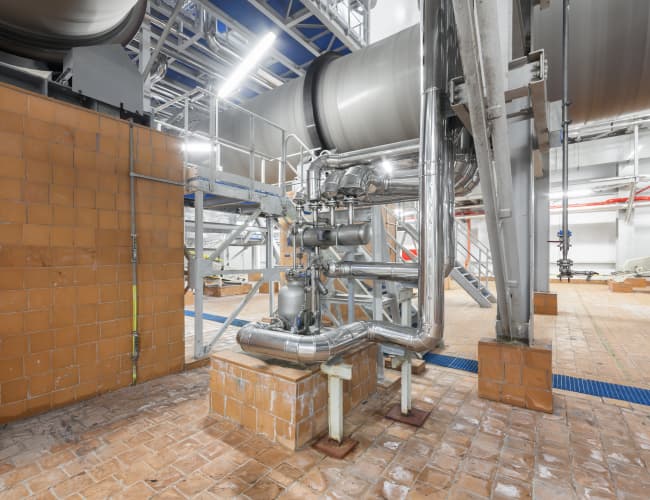
In explosion-proof environments, consider the zone classification, gas group, and temperature class; the certification scope of the motor and junction box must fully cover site conditions.

Consistent coating thickness depends on closed-loop control of adhesive delivery pressure and flow rate; pulsation suppression and pipeline energy storage are two of the most common modification cost items.
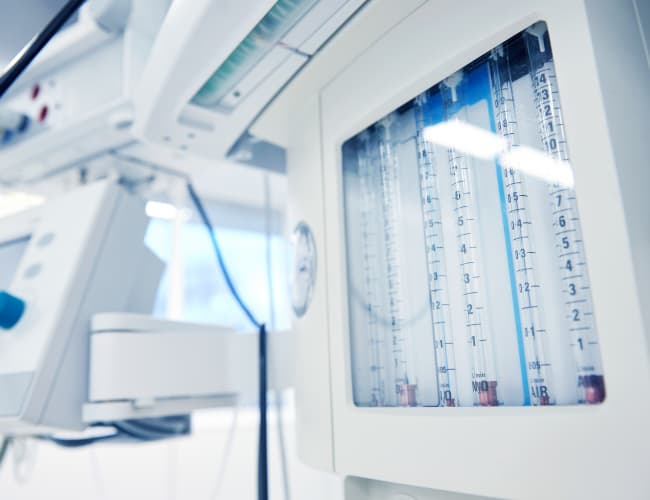
Slurries have high solid content and strong abrasiveness; pump body and gear materials, sealing types, and online cleaning methods must be determined together.
When selecting a pump, first confirm the fluid viscosity and required displacement per revolution, then match the motor speed and reduction ratio to avoid prolonged operation outside the efficient range.